

Ask The Electrician: Is Human-Centric Lighting the New Standard for Healthcare Facilities?
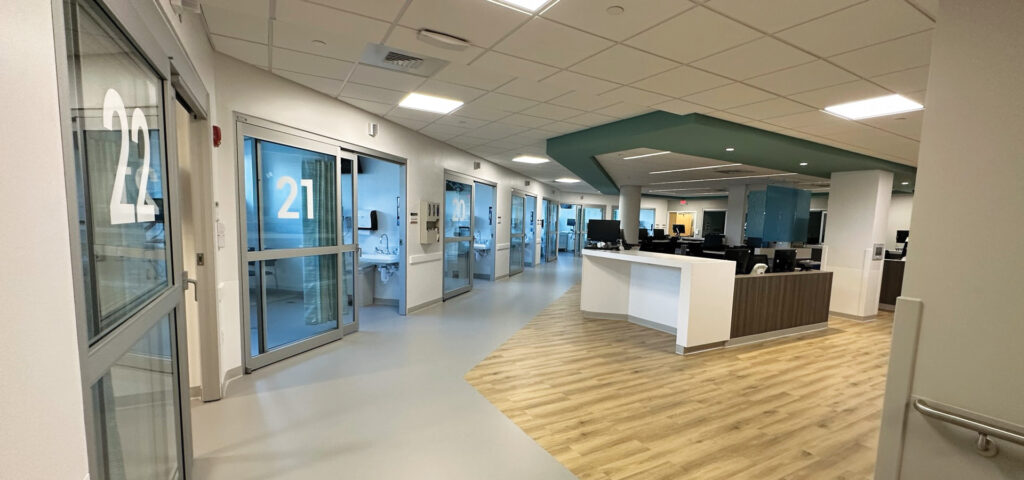
If you walk into a hospital or a long-term care facility today, the first thing you likely notice is the light. For a long time, the goal was simply to make these spaces as bright as possible while keeping energy costs low. However, we have learned that light does much more than just help us see. It actually acts as a signal for our bodies. Because healthcare facilities operate around the clock, the way we light these buildings has a direct impact on how patients heal and how staff perform. This is where human-centric lighting (HCL) comes into play. If you are planning a major retrofit or new construction of a hospital, nursing home, or healthcare facility, understanding HCL will help you create a holistic lighting solution that meets the unique needs of a healing environment.
Human-centric lighting goes beyond simple brightness to focus on the non-visual effects light has on our bodies. We all have a circadian rhythm, which is a 24-hour internal clock regulating everything from sleep to metabolism. This system reacts primarily to the light we see, with the mix of colors in that light steering our physical responses. HCL mimics the natural daily progression of daylight that humans lived with for millennia before electric lights existed. Through a process called circadian entrainment, the system syncs the building’s interior light with the natural body clocks of the occupants.
In a healthcare setting, the lighting system delivers bright white light in the morning and early afternoon to maximize alertness and productivity for staff while helping patients stay awake during the day. As the day progresses to evening, color temperatures become warm and lights dim down. After a scheduled shift in color, the body receives a signal that it can stop producing cortisol and begin the slow process of making melatonin. Melatonin is a natural compound that helps the brain get restful sleep. When the cycle is interrupted in a 24-hour facility, circadian disruption can alter metabolism and slow down the body’s natural regenerative processes.
HCL is effective in healthcare settings where many workers and patients experience disruption due to the round-the-clock nature of the facility. High color rendering indices are also important so that medical staff can immediately identify discoloration on a patient. While the initial cost of HCL fixtures and controls is higher than traditional LED systems, human factors provide a high return on investment. Improved concentration during the day can boost cognitive performance and reduce errors. Proper light levels and color rendering have been linked to reduced eye strain and better overall patient satisfaction.
Investing in HCL is ultimately an investment in the core mission of any healthcare facility, which is to provide an environment where people can heal and work at their best. Sophisticated Networked Lighting Control systems make this possible by allowing fixtures to report their own status while managing complex color schedules. These digital tools turn a standard electrical system into a responsive health asset that supports the occupants and the bottom line simultaneously. By adopting these standards now, you position your property as a leader in the rising demand for verifiable healthy indoor environments.
By Matthew Fallon, director procurement & business development at Interstate Electrical Services.